Why I Finally Started Moving at 50 — And How It Changed Everything
Have you ever felt like your body starts slowing down no matter how hard you try? I did. At 50, I noticed stiffer joints, lower energy, and a face that seemed to age faster than before. But instead of accepting it, I tested a simple daily movement plan backed by science. Within weeks, I felt stronger, looked fresher, and moved with more ease. This isn’t about extreme workouts — it’s about smart, sustainable motion that fights aging from the inside out.
The Silent Speed of Aging — And Why Movement Fights Back
As we pass the age of 50, subtle but significant changes begin to unfold beneath the surface. Muscle mass naturally declines at a rate of about 3–8% per decade, a condition known as sarcopenia. This loss affects not just strength but also metabolism, making it easier to gain fat and harder to maintain energy. At the same time, collagen production slows, contributing to thinner skin, stiffer joints, and reduced elasticity in tendons and ligaments. Metabolism, once seemingly automatic, begins to require more attention and effort.
Yet, one of the most profound shifts occurs at the cellular level. Telomeres — the protective caps at the ends of our chromosomes — shorten with each cell division. Shorter telomeres are linked to accelerated biological aging and increased risk of chronic conditions. However, research shows that individuals who engage in regular physical activity tend to have longer telomeres than their sedentary peers. Movement appears to protect these vital structures, effectively slowing the pace at which our cells age.
Mitochondria, the energy powerhouses within our cells, also benefit from consistent motion. With age, mitochondrial function declines, leading to fatigue and reduced recovery. But physical activity stimulates the creation of new mitochondria and improves their efficiency. Think of it like maintaining a car engine — without regular use, it rusts and falters. The body thrives on motion; without it, systems gradually degrade. The good news is that this decline is not inevitable. It is modifiable. Movement, even in modest amounts, signals the body to preserve and rebuild.
Studies consistently show that adults who remain physically active experience slower declines in muscle strength, cardiovascular function, and cognitive performance. Inflammation, a key driver of aging and chronic disease, is also reduced through regular movement. The message is clear: while chronological age moves forward, biological age can be influenced. By choosing to move daily, we send a powerful message to our bodies — we are still in use, still vital, still capable.
My Turning Point: From Stiffness to Strength
The wake-up call came on an ordinary Tuesday morning. I reached for my robe and felt a sharp stiffness in my knees. Climbing the stairs to my bedroom felt like a challenge. I paused halfway, gripping the railing, surprised by how much effort it took. That moment unsettled me. I wasn’t elderly, yet my body was behaving as if it were years ahead of my actual age. I realized I had accepted small limitations — avoiding certain activities, sitting longer, moving less — without questioning whether they were necessary.
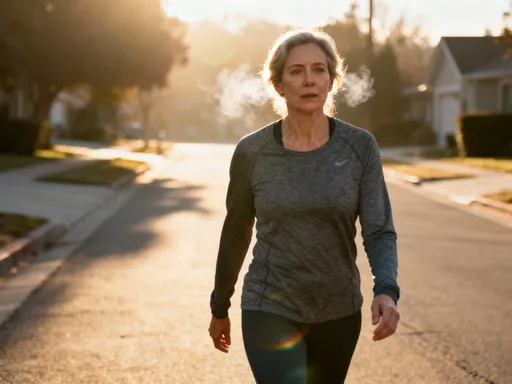
I decided to make a change, not through drastic measures, but through consistency. I began with just ten minutes of walking each day, usually after breakfast. At first, my pace was slow, and I felt self-conscious, as if I were starting from scratch. But within a week, I noticed subtle shifts. My morning stiffness lessened. I slept more deeply. My mood, often weighed down by fatigue, began to lift. These early wins weren’t dramatic, but they were real and encouraging.
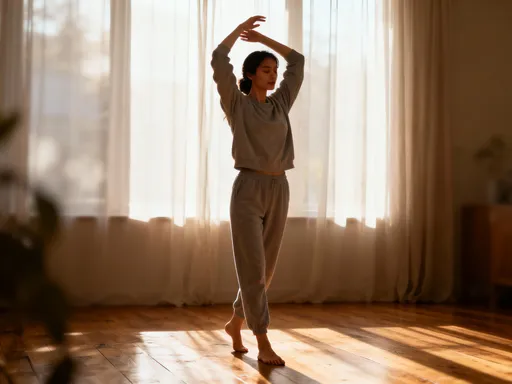
Next, I added gentle stretching — simple movements like shoulder rolls, neck tilts, and seated forward bends. I followed online videos designed for beginners, focusing on form rather than intensity. There were days I skipped, days I felt too tired, but I learned to forgive myself and return the next day. Progress wasn’t linear, but over time, the pattern became clear: the days I moved were better. I had more energy. I stood taller. I felt more like myself.
What surprised me most was how quickly small efforts compounded. After four weeks, I could climb the stairs without pausing. I reached for items on high shelves without hesitation. My clothes fit differently — not because I had lost weight, but because my posture had improved and my muscles had reawakened. This journey wasn’t about achieving a certain look or fitting into old jeans. It was about reclaiming a sense of ease in my own body. The transformation wasn’t overnight, but it was real. And it began with a single step — literally.
The Anti-Aging Movement Trio: Strength, Balance, Flexibility
To age well, movement must be balanced and intentional. Three types of physical activity stand out for their proven benefits: strength training, balance exercises, and flexibility work. Together, they form a powerful trio that supports long-term vitality. Each plays a unique role in maintaining function, preventing decline, and enhancing quality of life.
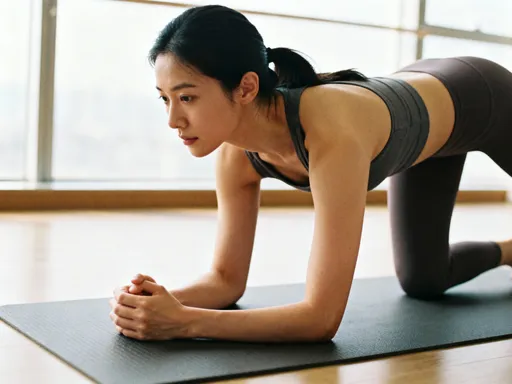
Strength training is essential for preserving muscle mass. As we age, muscle loss accelerates, but resistance exercises — whether using body weight, resistance bands, or light weights — help counteract this. Lifting arms overhead, standing from a chair, or carrying groceries all become easier when muscles are strong. Beyond function, strength training boosts metabolism, supports joint stability, and even improves bone density, reducing the risk of fractures. Visible benefits include firmer arms, a stronger posture, and a more energized daily rhythm.
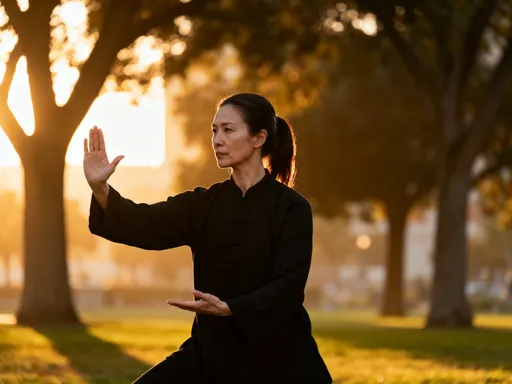
Balance is often overlooked, yet it is crucial for independence. Poor balance increases the risk of falls, one of the leading causes of injury in older adults. Simple exercises like standing on one leg, heel-to-toe walking, or tai chi movements improve coordination and body awareness. These activities engage the core, enhance neuromuscular communication, and build confidence in movement. Over time, better balance means greater freedom — walking on uneven paths, stepping off curbs, or dancing at family gatherings without fear.
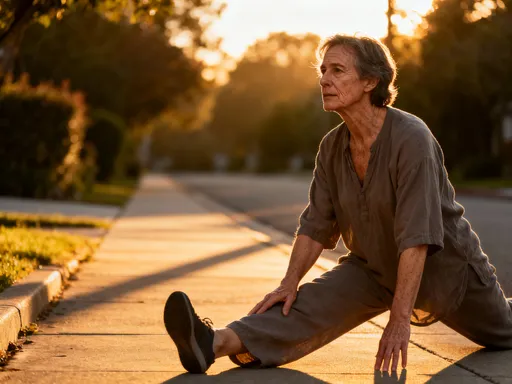
Flexibility maintains the range of motion in joints and prevents stiffness. Daily stretching, yoga, or mobility routines keep connective tissues supple and reduce discomfort. When muscles and tendons are flexible, posture improves, and everyday movements become smoother. Tight hips or shoulders can subtly pull the body out of alignment, leading to pain or fatigue. Regular stretching counteracts this, promoting fluidity and comfort. Additionally, improved circulation from flexibility work supports skin health, contributing to a more radiant, rested appearance.
Together, these three elements create a foundation for graceful aging. They are not about performance or appearance alone, but about maintaining the ability to live fully — to play with grandchildren, travel with ease, and enjoy daily life without limitation. The combination of strength, balance, and flexibility is not just protective; it is empowering.
Designing a Realistic Routine: What Actually Works Daily
Starting a movement practice after 50 doesn’t require hours at the gym or complex equipment. What matters most is consistency and sustainability. A realistic routine fits into real life — it’s manageable, enjoyable, and adaptable. The key is to begin small and build gradually, focusing on habits rather than intensity.
A balanced weekly plan might include three days of strength training, two days of balance exercises, and daily flexibility work. For strength, bodyweight exercises like wall push-ups, seated leg lifts, and standing rows with resistance bands are effective and low-impact. Start with one set of 10–12 repetitions, resting as needed. As strength improves, add a second set or slightly heavier resistance. These sessions can be as short as 15 minutes and done at home.
Balance exercises can be integrated into daily routines. Try standing on one foot while brushing your teeth, walking heel-to-toe down a hallway, or practicing slow weight shifts from side to side. These activities take minutes but yield meaningful improvements over time. For a more structured approach, consider tai chi or balance-focused yoga videos, which guide movements safely and progressively.
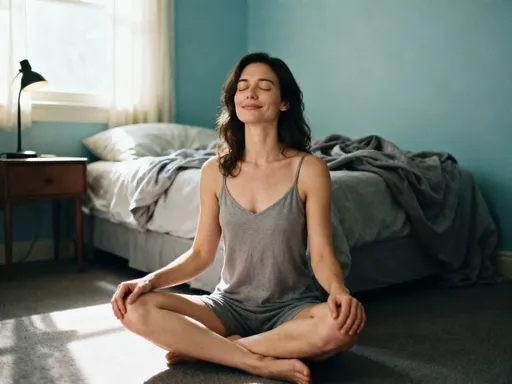
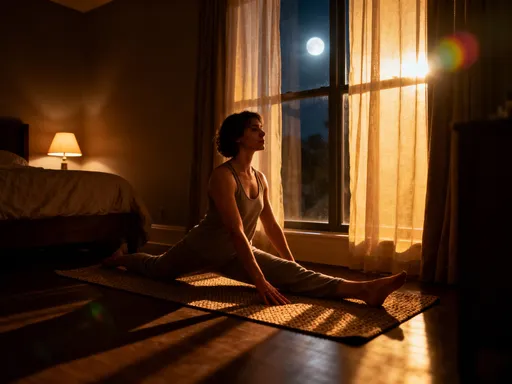
Flexibility can be addressed through gentle stretching or a short yoga sequence each day. Focus on major areas like the neck, shoulders, hips, and lower back. Hold each stretch for 20–30 seconds, breathing deeply without forcing. Morning stretches can ease stiffness; evening sessions can promote relaxation. A five-minute routine is enough to make a difference.
Timing matters less than regularity. Some prefer morning movement to energize the day; others find evening sessions help them unwind. Choose what aligns with your rhythm. Create a dedicated space — a corner with a non-slip mat, comfortable clothing, and minimal distractions. Keep equipment simple: a sturdy chair, a resistance band, and perhaps a yoga block. The goal is accessibility, not perfection.
Science Behind the Shift: How Motion Slows Biological Aging
Beyond the visible benefits — stronger muscles, better posture, improved energy — movement triggers profound biological changes. These shifts occur at the level of blood, cells, and hormones, creating a cascade of health-supporting effects. Understanding this science helps reinforce why daily motion is not optional, but essential.
One of the most immediate benefits is improved circulation. Physical activity increases blood flow, delivering oxygen and nutrients to tissues while removing waste products. This enhanced circulation supports skin health by nourishing collagen-producing cells and reducing puffiness. Many women notice a healthier complexion after beginning a movement routine — not due to cosmetics, but to better internal function.
Insulin sensitivity also improves with regular activity. As we age, cells can become less responsive to insulin, increasing the risk of blood sugar imbalances. Movement helps muscles absorb glucose more efficiently, reducing strain on the pancreas and supporting metabolic health. This effect occurs even with moderate activity like walking, making it accessible to nearly everyone.
Chronic inflammation, linked to heart disease, arthritis, and cognitive decline, is reduced through consistent movement. Exercise promotes the release of anti-inflammatory molecules while suppressing pro-inflammatory ones. This balancing effect supports long-term health and may slow the progression of age-related conditions.
The lymphatic system, responsible for clearing toxins and supporting immunity, relies on muscle contractions to function. Unlike the circulatory system, it has no pump — movement is its engine. Daily motion helps flush out cellular debris, reducing bloating and supporting immune resilience. This is one reason why many people feel lighter and clearer after starting a routine.
At the genetic level, physical activity influences telomere maintenance. A 2017 study published in Preventive Medicine found that adults who engaged in regular physical activity had telomeres that were, on average, nine years “younger” than those of sedentary individuals. While more research is needed, the evidence strongly suggests that movement plays a role in preserving cellular youth.
Overcoming Common Roadblocks: Time, Motivation, and Aches
Starting is often the hardest part, not because of physical limits, but because of practical and emotional barriers. Many women in their 50s and beyond cite lack of time, low motivation, or discomfort as reasons for inactivity. These challenges are real, but they are not insurmountable. With small adjustments and a compassionate mindset, sustainable movement becomes possible.
Time constraints are common, especially for those managing households, careers, or caregiving roles. The solution is not to find large blocks of time, but to use micro-sessions. Three 10-minute walks spread throughout the day offer the same benefits as one 30-minute session. Stretching while watching the news, doing seated leg lifts during phone calls, or marching in place during commercials all count. Movement doesn’t have to be formal to be effective.
Motivation often wanes when results are slow. Instead of relying on willpower, build habits by stacking movement with existing routines. Pair morning stretches with your coffee, take a walk after lunch, or do balance exercises while waiting for dinner to cook. Over time, these actions become automatic, requiring less mental effort. Tracking non-scale victories — like easier stair climbing or looser clothing — can also reinforce progress.
Joint discomfort or stiffness may discourage movement, but avoiding activity often worsens the problem. Low-impact alternatives like water walking, seated stretches, or chair yoga provide gentle yet effective options. Warm baths before exercise can loosen stiff joints. Listening to the body is important — some discomfort is normal, but sharp pain is a signal to stop. Consulting a physical therapist or certified trainer can help tailor a safe, effective plan.
Finally, shift the mindset. Movement is not punishment for aging; it is an act of self-care. It is a way to honor the body, support long-term health, and maintain independence. Viewing it as a gift rather than a chore transforms the experience. Progress, not perfection, is the goal. Every small effort counts.
Beyond the Body: Mental Clarity, Confidence, and Long-Term Vitality
The benefits of daily movement extend far beyond physical changes. They ripple into mental and emotional well-being, reshaping how we think, feel, and engage with life. Many women report sharper focus, reduced anxiety, and a stronger sense of control after beginning a consistent routine. These effects are not imagined — they are supported by science.
Physical activity increases blood flow to the brain, delivering oxygen and nutrients that support cognitive function. It also stimulates the release of neurotransmitters like serotonin and dopamine, which regulate mood and reduce stress. Over time, regular movement is linked to a lower risk of cognitive decline and improved memory. For women navigating the mental fog sometimes associated with midlife changes, movement offers a natural, accessible remedy.
Confidence grows when the body feels capable. Being able to carry groceries, play with grandchildren, or travel without fatigue fosters a sense of independence. This physical confidence often translates into social confidence — a willingness to accept invitations, try new activities, or speak up in groups. Movement becomes a source of empowerment, not just health.
Long-term vitality is the ultimate reward. Aging is inevitable, but decline is not. By investing in daily movement, we are not trying to look 30 again. We are choosing to live fully at every age. We are saying yes to energy, connection, and possibility. This is not a short-term fix, but a lifelong commitment to well-being.
Starting at 50 is not too late — it may even be the perfect time. With greater life experience comes greater intention. We move not to chase youth, but to honor the body that has carried us through decades of love, work, and family. Each step, stretch, and lift is an affirmation: I am still here. I am still strong. I am still moving forward.
Aging doesn’t have to mean decline. By embracing a balanced, sustainable movement plan, we can preserve strength, boost energy, and support overall vitality. This isn’t about reversing time — it’s about moving well through it.