How Massage Therapy Quietly Transformed My Recovery Journey
Ever felt stuck in recovery, no matter how many treatments you try? I was there—until I gave massage therapy a real shot. It wasn’t magic, but over time, the stiffness eased, movement improved, and daily life got noticeably easier. This isn’t about overnight miracles, but real, gradual progress backed by science and personal experience. If you're seeking practical, natural support for healing, here’s why massage might be worth exploring—safely and wisely.
The Frustration of Slow Recovery
Recovery from injury, surgery, or chronic strain often feels like walking through thick fog—you know the path forward exists, but every step is slow and uncertain. Many people follow their doctor’s orders to the letter: they complete prescribed exercises, take medications as directed, and avoid overexertion. Yet, despite their discipline, they remain caught in a cycle of stiffness, fatigue, or persistent discomfort. This experience is more common than most realize. A desk worker may stretch daily yet still wake up with shoulders locked in tension. An athlete may rehab a hamstring injury but find the muscle remains tight and prone to flare-ups. An older adult recovering from knee surgery may walk without pain during physical therapy but struggle with stiffness the moment they sit for more than 20 minutes.
What makes this stagnation so frustrating is the sense of helplessness it brings. You’re doing everything right, yet your body doesn’t respond as expected. The emotional toll is just as real as the physical one. There’s a quiet disappointment in realizing that healing isn’t always linear, and that progress can stall even when effort remains constant. For many, this is where alternative approaches begin to feel appealing—not as replacements for medical care, but as potential missing pieces in a larger puzzle. Massage therapy often enters the picture at this crossroads: not as a first resort, but as a thoughtful addition when traditional methods seem to have reached their limit.
It’s important to recognize that slow recovery isn’t always a sign of failure. The body heals at its own pace, influenced by age, overall health, lifestyle habits, and even stress levels. But when movement remains restricted or pain lingers without clear cause, it may point to soft tissue dysfunction—something that isn’t always visible on imaging tests but can significantly impact function. This is where massage therapy begins to show its value, not by overriding medical treatment, but by addressing aspects of recovery that are often overlooked: muscle memory, fascial tension, and circulation to injured areas.
What Massage Therapy Really Is (And Isn’t)
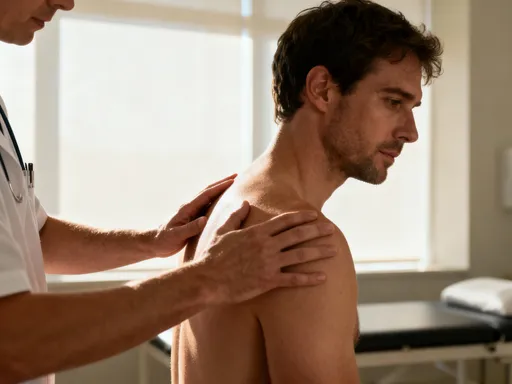
When most people hear “massage,” they think of a spa day—soft music, scented oils, and gentle strokes meant to induce relaxation. While those experiences have their place, therapeutic massage is a different category altogether. It is a structured, intentional form of soft tissue manipulation designed to support the body’s natural healing processes. Unlike spa treatments, which prioritize comfort and stress relief, medical or rehabilitation massage focuses on specific physiological goals: reducing muscle tension, improving circulation, and restoring mobility in areas affected by injury or overuse.
At its core, massage therapy works by applying controlled pressure to muscles, tendons, ligaments, and fascia—the connective tissue that surrounds and supports muscles. This pressure stimulates blood flow, which delivers oxygen and nutrients to damaged tissues while helping remove metabolic waste products that can contribute to soreness and stiffness. It also activates the parasympathetic nervous system, the part of the body responsible for rest and recovery. This means that, in addition to physical benefits, massage can help reduce the body’s stress response, which often exacerbates pain and delays healing.
One common misconception is that massage is a passive treatment—something you simply lie down and receive. In reality, effective massage therapy is an active collaboration between practitioner and client. A skilled therapist assesses muscle tone, identifies areas of restriction, and adjusts technique based on feedback and observed response. It is not a one-size-fits-all approach, nor is it meant to replace medical interventions like surgery, medication, or physical therapy. Instead, it functions as a complementary tool, enhancing the effectiveness of other treatments by preparing tissues for movement, reducing barriers to flexibility, and promoting a more favorable internal environment for healing.
Why It Works: The Science Behind the Relief
The growing acceptance of massage therapy in clinical settings is not based on anecdote alone—it’s supported by a body of scientific research. Studies conducted by institutions such as the National Institutes of Health (NIH) have demonstrated that massage can lead to measurable improvements in pain reduction, range of motion, and tissue recovery. One key mechanism is its effect on inflammation. After an injury, the body naturally produces inflammatory markers to initiate healing. However, prolonged inflammation can delay recovery and contribute to chronic pain. Research shows that massage can reduce levels of pro-inflammatory cytokines while increasing the production of anti-inflammatory compounds, effectively helping the body regulate its own healing response.
Another significant benefit lies in improved circulation. Muscles that are injured or overused often develop areas of reduced blood flow, which limits the delivery of oxygen and essential nutrients needed for repair. Massage helps open up these microcirculatory pathways, enhancing the flow of blood and lymph fluid. This not only speeds up tissue regeneration but also helps prevent the buildup of scar tissue, which can restrict movement and lead to long-term stiffness. In one study involving patients recovering from surgery, those who received regular massage therapy showed faster resolution of swelling and improved joint mobility compared to those who did not.
Massage also influences the nervous system in ways that support recovery. Chronic pain often involves a sensitized nervous system, where even light touch or normal movement triggers discomfort. Through consistent, controlled stimulation, massage can help “reset” nerve sensitivity, reducing the perception of pain over time. Additionally, cortisol, the body’s primary stress hormone, has been shown to decrease after massage sessions. Lower cortisol levels are associated with reduced muscle tension, better sleep, and improved immune function—all of which contribute to a more efficient healing process.
Who Benefits Most? Realistic Expectations
While massage therapy offers broad benefits, it is not a universal solution for every type of injury or condition. Understanding who is most likely to benefit helps set realistic expectations and ensures that treatment is used appropriately. People recovering from muscle strains, tendonitis, or repetitive stress injuries often see meaningful improvements. Those dealing with post-surgical stiffness, particularly after orthopedic procedures, may find that massage helps restore flexibility and reduce scar tissue adhesion. Individuals with chronic tension related to posture, such as neck and shoulder pain from prolonged sitting, also tend to respond well to targeted soft tissue work.
However, it’s equally important to recognize the limitations. Massage will not heal a broken bone, repair a torn ligament, or replace the need for physical therapy exercises. It is not recommended during the acute phase of an injury, when inflammation is at its peak, as excessive pressure could worsen swelling. Similarly, certain medical conditions, such as deep vein thrombosis or open wounds, require clearance from a healthcare provider before any form of massage is considered. The goal is not to view massage as a cure-all, but as a supportive modality that enhances the body’s ability to heal when used at the right time and in the right way.
Individual response varies, and this must be acknowledged. Some people experience noticeable relief after just one or two sessions, while others may need several weeks of consistent treatment before seeing results. Factors such as age, overall health, the severity of the condition, and lifestyle habits all play a role. What remains consistent, however, is that the best outcomes occur when massage is integrated into a broader recovery plan and guided by professional assessment rather than personal expectation.
Finding the Right Practitioner and Technique
Not all massage therapists are trained to work with recovery-related conditions, and not all techniques are equally effective for every issue. Choosing the right practitioner is one of the most important steps in ensuring safe and beneficial treatment. A licensed massage therapist (LMT) with additional training in medical, clinical, or rehabilitation massage is typically best suited for clients in recovery. These professionals understand anatomy, pathology, and contraindications, allowing them to tailor sessions to individual needs and coordinate with healthcare providers when necessary.
Different techniques serve different purposes. **Swedish massage**, with its long, flowing strokes, is ideal for general relaxation and improving circulation. It may be appropriate in the later stages of recovery when the goal is to maintain mobility and reduce overall tension. **Deep tissue massage** targets deeper layers of muscle and connective tissue, making it useful for chronic tightness or areas with long-standing adhesions. However, it should be applied gradually and with clear communication, as excessive pressure too soon can be counterproductive. **Myofascial release** focuses on the fascia, the web-like connective tissue that can become restricted after injury or prolonged immobility. This technique uses sustained pressure and gentle stretching to restore fascial elasticity, often leading to improved posture and movement patterns.
When beginning massage therapy as part of recovery, it’s wise to start with a consultation. A qualified therapist will review your medical history, discuss your symptoms, and observe your movement before designing a treatment plan. They should also educate you on what to expect, including possible soreness after a session and the importance of hydration. Safety is paramount: therapists should avoid direct pressure on swollen or inflamed areas, adjust techniques for sensitive regions, and respect your comfort level at all times. Open communication during the session ensures that the treatment remains effective and appropriate.
Building a Practical Routine: How Often, How Long?
Consistency is more impactful than intensity when it comes to massage therapy. A single session may offer temporary relief, but lasting change requires regular engagement. For most people in active recovery, starting with weekly sessions provides a steady rhythm that supports tissue remodeling and nervous system regulation. As improvements become evident—such as increased range of motion, reduced pain, or better sleep frequency can often be reduced to every other week or monthly, depending on individual progress.
Each session typically lasts between 45 and 60 minutes, though shorter sessions may be appropriate in the early stages of recovery or when focusing on a specific area. The duration should be based on need, not convenience. What matters most is the quality of the work and the therapist’s ability to address the underlying issues. Over time, the body begins to “remember” healthier movement patterns, and the effects of massage become more enduring.
To maximize benefits, it’s helpful to pair massage with other supportive habits. Gentle stretching or light movement on the same day can help lock in gains in flexibility. Keeping a simple journal to track pain levels, mobility, and mood before and after sessions allows you to observe patterns and make informed decisions about frequency. Some people find it useful to schedule massage around key points in their rehab program—for example, before a challenging physical therapy session to prepare the muscles, or after to aid in recovery. The goal is not to follow a rigid formula, but to develop a personalized rhythm that aligns with your body’s response.
Combining Massage with Other Recovery Habits
Massage therapy is most effective when it’s part of a holistic recovery strategy. It does not replace the fundamentals of healing: proper nutrition, adequate hydration, quality sleep, and appropriate physical activity. Instead, it enhances them. For instance, improved circulation from massage helps deliver nutrients more efficiently to repairing tissues, making good nutrition more impactful. Reduced muscle tension allows for better sleep posture, which supports deeper rest and recovery. And when the body feels less restricted, it becomes easier to stay active, even in small ways like walking or gentle yoga.
Hydration plays a particularly important role. Massage increases the movement of fluids in the body, including the release of metabolic byproducts from muscles. Drinking water after a session helps the kidneys flush these substances, reducing the chance of post-massage soreness. Similarly, combining massage with daily stretching or mobility exercises helps maintain the gains achieved during treatment. A therapist may even recommend specific stretches to do at home, creating a bridge between professional care and self-management.
Equally important is adherence to medical advice. If you’re under the care of a doctor, physical therapist, or other healthcare provider, massage should complement, not conflict with, your treatment plan. In some cases, therapists communicate directly with medical professionals to ensure coordination of care. This integrative approach respects the complexity of recovery and acknowledges that no single intervention works in isolation. When massage is woven into a broader framework of healthy habits and professional guidance, it becomes a sustainable, science-backed component of long-term well-being.
Massage therapy won’t fix everything, but when used wisely, it can be a powerful ally in recovery. It’s not about dramatic cures, but steady, measurable improvements in comfort and function. With professional support and realistic expectations, it becomes more than a treat—it becomes a smart, science-backed step toward feeling truly better. Always consult a healthcare provider before starting any new therapy, especially during active recovery.