How I Navigate Property Insurance Markets Without Getting Played
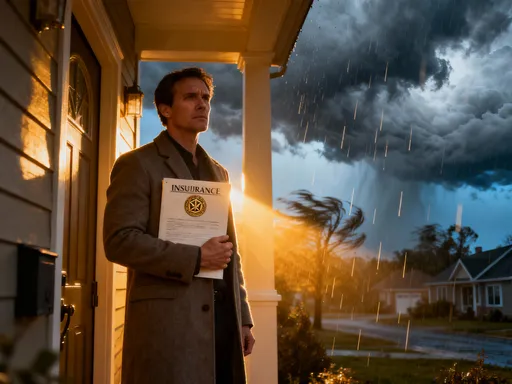
Let me be real — I used to treat property insurance like just another bill to pay. Then came *that* storm. My roof? Total mess. The claim process? A nightmare. That’s when I realized: insurance isn’t just about coverage — it’s about strategy. I dove into market trends, compared providers, and learned what actually moves the needle. Now, I don’t just buy policies — I analyze them. Here’s how I protect my property *and* my wallet, without falling for the hype.
The Wake-Up Call: When Insurance Stops Being Abstract
It started with a forecast that sounded routine: heavy rain, possible wind. Nothing we hadn’t seen before. But by midnight, trees were down, power lines were sparking, and water was seeping under the back door. When daylight came, the damage was undeniable — a tree had crashed through the garage roof, rain had soaked the insulation, and mold was already starting to form. I called my insurer the next morning, full of confidence that “I’m covered.” What followed was a week of phone tag, contradictory statements, and a final offer that covered less than half the repair estimate. The policy had exclusions I hadn’t read, a deductible I hadn’t fully understood, and a claims process that felt designed to discourage, not assist.
That experience changed everything. I had assumed insurance was a safety net — something automatic and reliable. But in reality, it’s a contract shaped by fine print, market conditions, and provider behavior. What I thought was protection turned out to be a partial shield, full of blind spots. The financial hit was painful, but the emotional toll was worse: a sense of betrayal, of having done the “right thing” only to be let down. It wasn’t just about the roof — it was about control. I realized I couldn’t afford to be passive anymore. If insurance companies were making strategic decisions about risk and pricing, then so should I. That moment became the catalyst for a deeper journey — not just into my own policy, but into the entire property insurance market.
Understanding the Property Insurance Market Landscape
The property insurance market is not a single, static system. It’s a complex ecosystem influenced by a wide range of factors — from weather patterns to financial regulations, from local building codes to global reinsurance trends. At its core, the market matches risk with capital: insurers collect premiums from homeowners and, in return, promise to cover losses. But the cost and availability of that coverage depend on far more than just the condition of your roof or the age of your HVAC system. It’s shaped by larger forces that most policyholders never see.
One of the biggest drivers is the increasing frequency and severity of natural disasters. In regions prone to hurricanes, wildfires, or flooding, insurers face higher potential payouts. As a result, many companies have pulled back from these areas or significantly raised premiums. This isn’t arbitrary — it’s a response to real data. According to industry reports, insured losses from natural catastrophes have risen steadily over the past two decades, pushing insurers to recalibrate their risk models. When local insurers retreat, the burden often shifts to state-run “insurer of last resort” programs, which can be more expensive and offer less comprehensive coverage.
Another key factor is reinsurance — the insurance that insurers buy to protect themselves from massive losses. When reinsurance costs go up, those increases are passed down to consumers. After a major hurricane season, for example, reinsurers may raise their rates, which in turn leads to higher homeowner premiums the following year. Regulatory environments also play a role. In some states, insurance commissioners must approve rate changes, which can slow down price increases but also delay necessary adjustments. In others, insurers have more freedom to set prices, leading to faster but potentially steeper changes.
Regional differences are stark. A homeowner in coastal Florida faces a very different market than one in inland Minnesota. In high-risk areas, competition among insurers may be limited, giving remaining providers more pricing power. In lower-risk zones, homeowners often have more choices and better rates. Understanding these dynamics isn’t just for industry insiders — it’s essential for anyone who wants to make informed decisions. Insurance isn’t a one-size-fits-all product; it’s a market-driven service that responds to real-world pressures. Recognizing that shift — from viewing insurance as a fixed cost to seeing it as part of a dynamic financial landscape — is the first step toward smarter decision-making.
Why Strategy Beats One-Size-Fits-All Policies
Many homeowners operate under the assumption that all insurance policies are roughly the same — pay the premium, file a claim if something happens, and the problem gets fixed. But this mindset can lead to serious financial exposure. Standard policies are designed for average risks, not individual circumstances. They often come with coverage limits, exclusions, and conditions that may not align with your property’s actual needs. The result? Either underinsurance, where you’re not fully protected, or overinsurance, where you’re paying for coverage you don’t need.
Consider a home in a wildfire-prone region. A standard policy might exclude damage from smoke or embers, or place a low cap on debris removal costs. If a fire sweeps through, the homeowner could face tens of thousands in out-of-pocket expenses, even with insurance. On the other hand, a homeowner in a low-risk area might be paying extra for flood coverage they’ll never use — money that could be better spent on home improvements or savings. The cost of complacency isn’t just financial; it’s the false sense of security that leaves you vulnerable when disaster strikes.
Strategic customization means aligning your policy with your actual risk profile, property value, and long-term financial goals. It starts with a thorough assessment: What are the most likely threats to your home? Are you in a flood zone? Is your roof more than 15 years old? Do you have high-value items that need scheduled coverage? From there, you can tailor your policy — adding endorsements for earthquakes, sewer backups, or ordinance upgrades, or adjusting liability limits based on your personal situation. It also means understanding replacement cost versus market value. Your home may be worth $400,000 on the market, but rebuilding it could cost $500,000 due to labor and material prices. If your policy only covers market value, you’ll be underinsured.
The goal isn’t to eliminate risk — that’s impossible. It’s to manage it wisely. A strategic approach reduces the chance of surprise gaps in coverage and ensures you’re not overpaying for unnecessary protections. It turns insurance from a passive expense into an active tool for financial resilience. And while it requires more effort upfront, the payoff is peace of mind — knowing that your policy actually matches your life, not just a generic template.
How to Analyze Providers Like an Investor, Not a Customer
When shopping for property insurance, most people focus on one number: the premium. But the cheapest policy isn’t always the best value — especially when you file a claim. A smarter approach is to evaluate insurers the way an investor evaluates a long-term holding: by looking at stability, performance, and track record. You’re not just buying a product; you’re entering a relationship that could last decades, through storms, accidents, and life changes. The provider you choose needs to be financially strong, responsive, and adaptable.
Start with financial strength. Rating agencies like AM Best, Standard & Poor’s, and Moody’s assess insurers’ ability to pay claims. A company with a high financial strength rating has the capital reserves to handle large-scale disasters. This matters because after a major event — a hurricane, for example — some weaker insurers may delay claims, reduce payouts, or even go out of business. A financially solid carrier is more likely to honor its commitments, even under pressure. These ratings are publicly available and should be a baseline for any shortlist.
Next, examine claims responsiveness. A company might have a low premium, but if it takes weeks to assign an adjuster or denies valid claims on technicalities, the savings aren’t worth it. Look at customer reviews, but go beyond star ratings. Read the details: How do people describe their claims experience? Were adjusters knowledgeable and fair? Was communication clear and timely? The National Association of Insurance Commissioners (NAIC) also publishes complaint indexes that compare the number of complaints per insurer, normalized by size. A lower ratio suggests better service.
Market adaptability is another key factor. The insurance landscape changes — new risks emerge, regulations shift, technology evolves. Providers that invest in digital tools, proactive risk assessments, and customer education are more likely to remain competitive and reliable. For example, some companies offer home monitoring systems that can alert you to water leaks or fires, potentially reducing damage and lowering premiums. Others use aerial imagery and data analytics to provide more accurate risk assessments, which can lead to fairer pricing.
Finally, consider the provider’s history in your region. A national carrier might seem appealing, but a regional insurer with deep local knowledge could offer better service and more tailored coverage. They understand local building practices, common risks, and regulatory nuances. Comparing providers isn’t about finding the lowest price — it’s about finding the best long-term partner. That means balancing cost with reliability, service, and stability. When you approach insurance like an investment decision, you’re more likely to get both protection and value.
Timing the Market: When to Lock In and When to Wait
Just like the stock market or real estate, the property insurance market has cycles. Rates don’t move in a straight line — they rise and fall based on seasons, disasters, and regulatory changes. Being aware of these patterns can help you time your purchases and renewals for maximum advantage. The key is to be proactive, not reactive. Waiting until the last minute or renewing automatically can mean paying more than necessary.
One of the most predictable timing opportunities is seasonal. In hurricane-prone states, rates often spike in the months leading up to storm season. Insurers know that demand will rise and risks are elevated, so they adjust prices accordingly. The smart move is to renew or shop for new coverage well before the season starts — often in the winter or early spring. The same principle applies in wildfire zones, where rates may increase as dry seasons approach. By acting early, you can lock in lower rates before the market tightens.
Another trigger is post-disaster rate shifts. After a major hurricane or wildfire, insurers in affected areas often raise premiums or reduce coverage. If you live near a recently impacted region, your rates could be next. This is a signal to shop around *before* your renewal date. Sometimes, switching providers a few months early can save hundreds of dollars. Conversely, if a new insurer enters your market — perhaps attracted by regulatory changes or new reinsurance options — that can create competition and lower prices. Staying informed about market entries and exits can give you leverage.
Regulatory changes also create windows of opportunity. Some states have implemented rate caps or consumer protections after periods of rapid price increases. When these go into effect, insurers may offer more competitive rates to attract customers. Similarly, if a state-run insurer of last resort becomes the only option for some homeowners, private insurers may step in with better deals to regain market share. Monitoring news and working with an independent agent who tracks these trends can help you spot the right moment to act.
The goal isn’t to time the market perfectly — that’s impossible. But being aware of cycles and triggers allows you to make more strategic decisions. Instead of reacting to rate hikes, you can anticipate them. Instead of accepting a renewal notice, you can explore alternatives. Over time, this proactive approach can lead to significant savings and better coverage.
Risk Control Tactics That Lower Premiums and Boost Security
One of the most powerful ways to reduce insurance costs isn’t shopping around — it’s reducing risk. Insurers reward homeowners who take steps to protect their property. These measures don’t just lower premiums; they also reduce the likelihood of damage, improve safety, and strengthen your position in claims negotiations. The most effective strategies combine physical upgrades, smart policy choices, and ongoing maintenance.
Home hardening is a top priority. Simple upgrades can make a big difference. Installing storm shutters or impact-resistant windows can significantly reduce wind damage in hurricane zones. Replacing a wood shake roof with a Class A fire-rated material can lower wildfire risk. Upgrading electrical systems and plumbing reduces the chance of fires and leaks — two of the most common sources of claims. Many insurers offer discounts for these improvements, sometimes as much as 10 to 15 percent. Some even partner with contractors to make upgrades more affordable.
Bundling policies is another proven way to save. Combining home and auto insurance with the same provider often unlocks multi-policy discounts. But don’t assume your current insurer offers the best deal — shop around. An independent agent can compare bundled rates across multiple companies. Increasing your deductible is another option. Raising it from $1,000 to $2,500 can reduce your premium, but only if you have the savings to cover the higher out-of-pocket cost if a claim occurs. This isn’t a one-size-fits-all move — it depends on your financial cushion.
Other discounts are often overlooked. Loyalty discounts, safety device credits (for smoke detectors, security systems, or water sensors), and even retirement or professional affiliation discounts can add up. Some insurers offer claims-free discounts for every year you go without filing. The key is to ask — many discounts aren’t automatic. You may need to provide proof of upgrades or request a review of your policy.
These tactics do more than save money. They turn you from a passive policyholder into an active risk manager. And that shift changes how insurers see you — not as a high-risk customer, but as a responsible homeowner worth retaining. Over time, that reputation can lead to better service, faster claims, and more favorable terms.
Building a Long-Term Insurance Strategy, Not Just a Quick Fix
Smart property insurance isn’t a one-time decision — it’s an ongoing strategy. Markets change, homes age, and life circumstances evolve. A policy that made sense five years ago may no longer fit your needs. The most effective approach is to treat insurance as part of a broader financial defense system, integrated with estate planning, asset protection, and long-term savings goals. This means regular reviews, staying informed, and adjusting as needed.
Annual policy reviews are essential. Set a reminder to go through your coverage every year, ideally before renewal. Check for changes in replacement cost, update inventories of personal property, and confirm that endorsements still make sense. Life events — a renovation, a home office, a new family member — can all affect your risk profile and coverage needs. Don’t wait for a disaster to realize you’re underinsured.
Staying alert to market shifts is equally important. Subscribe to consumer alerts, follow insurance news, or work with an agent who does. When new providers enter your area, when rates spike, or when regulations change, you need to know. These moments are opportunities to reassess and potentially improve your coverage.
Finally, consider how insurance fits into your larger financial picture. For many homeowners, their property is their largest asset. Protecting it isn’t just about avoiding loss — it’s about preserving wealth. A well-structured insurance strategy supports that goal by minimizing financial surprises, reducing stress, and ensuring continuity. It’s not about spending less at all costs — it’s about getting the most value from every dollar you spend.
In the end, the goal isn’t to outsmart the system — it’s to understand it. When you approach property insurance with knowledge, strategy, and discipline, you gain something priceless: control. You’re no longer at the mercy of premiums, fine print, or claims denials. You’re in charge. And that peace of mind is worth far more than any discount.